


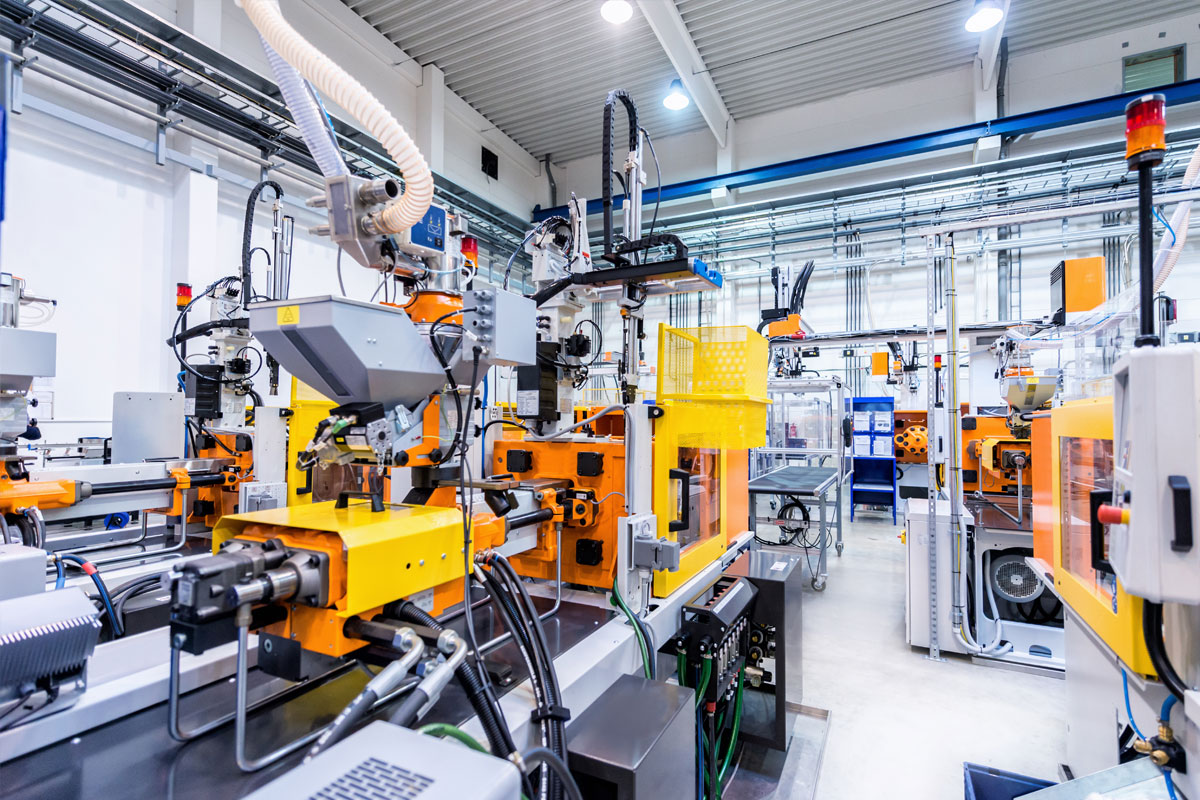
In many industrial and technical deployments, frequency mismatch is already a known engineering constraint. The real evaluation begins after that. The critical question is not whether the machine will continue to behave within its intended electrical parameters once deployed. Here’s how the scenario plays out:
- The available utility supply is 50Hz
- The equipment is designed for 60Hz operation
This is common in imported systems designed for:
- USA
- Saudi Arabia
- Certain American-region markets
- Special-purpose 60Hz equipment platforms
The engineering requirement is straightforward: the equipment must continue operating within its intended electrical conditions (ie 60Hz) despite being deployed in a 50Hz supply environment.
Why the Evaluation Goes Beyond Frequency Conversion
Most frequency conversion systems can produce 60Hz output. The real evaluation begins when the equipment starts operating under actual load conditions.
Technical teams typically evaluate:
- Frequency stability under load variation
- Output waveform quality
- Harmonic distortion behaviour
- Surge and inrush handling capability
- Voltage regulation performance
- Isolation against upstream disturbances
- Continuous-duty operating capability
Systems that lose output stability under dynamic industrial conditions introduce operational variability directly into the machine.
Typical Application Environments
50FC60 systems are commonly evaluated for:
- Imported industrial equipment
- Medical systems designed for 60Hz operation
- Testing and simulation systems
- Special-purpose industrial machinery
- OEM systems designed around 60Hz architecture
- Industrial process equipment
Applicable across countries where:
- Grid supply is 50Hz
- Equipment requires stable 60Hz operation
What Technical Teams Typically Look For Stable 60Hz Output Under Load
Frequency stability must remain controlled even during varying load conditions. Any drift in output behaviour directly affects timing-sensitive systems, rotating equipment, and internal electrical stability.
Waveform Integrity
True sinewave output and controlled THD are critical for preventing cumulative electrical stress on sensitive equipment, particularly in medical systems, testing infrastructure, and industrial control environments.
Surge and Dynamic Load Handling
Industrial systems often operate under dynamic loads, repetitive surge conditions, and varying current demand. The frequency conversion platform must maintain output integrity without instability during these conditions.
Electrical Isolation and Protection
Protection against leakage currents, neutral drift, and high-energy transients becomes critical in imported equipment deployments.
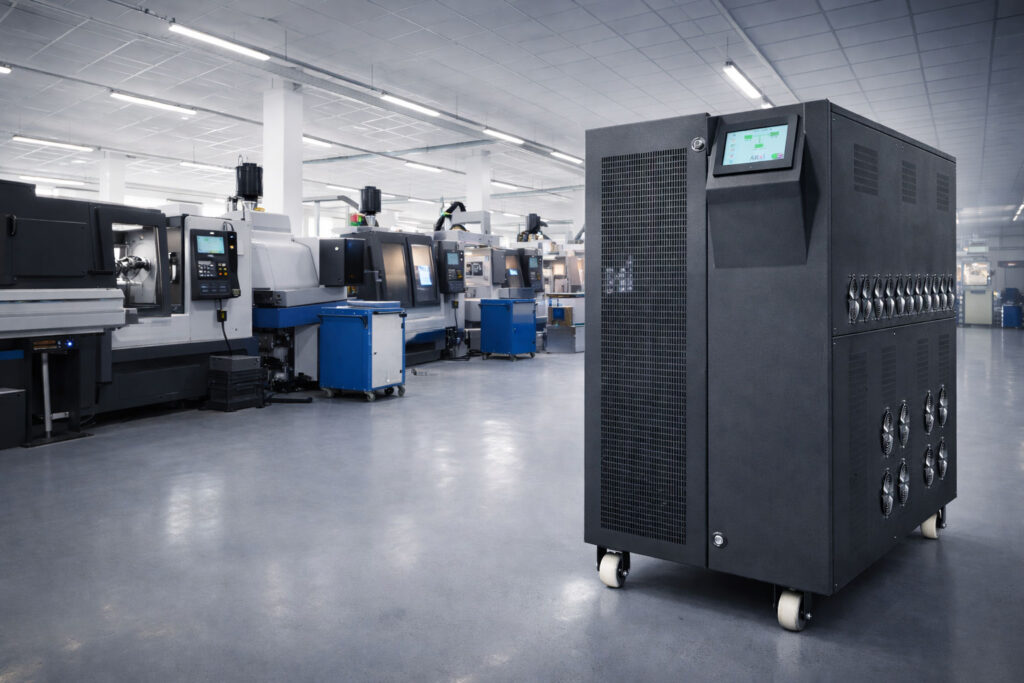
ARVI 50FC60 Platform
ARVI 50FC60 systems are engineered as continuous-duty industrial power-conditioning platforms.
Key characteristics include:
- 60Hz output frequency accuracy within ±0.1Hz
- Tight voltage regulation
- True sinewave output
- Low THD performance under non-linear loads
- DSP-controlled IGBT architecture
- High surge handling capability
- Galvanic isolation between input and output
- MODBUS-BMS communication support
- Industrial-grade continuous-duty operation
The objective is not simply to generate 60Hz output. The objective is maintaining stable electrical behaviour under real operating conditions.
Decision Outcome
Correct deployment ensures predictable machine behaviour, reduced electrical variability, lower stress on sensitive components, and greater confidence during installation and commissioning.
The system is evaluated not on whether the machine runs, but on whether the machine continues to operate correctly under actual deployment conditions.
Back to Static Frequency Converters guide
Related articles

Discuss Your Export Deployment Requirement
Share your equipment specifications, deployment region, and operating conditions for a technical evaluation and system recommendation.